

Glipizide is a medication that is commonly prescribed to individuals with type 2 diabetes to help control their blood sugar levels. It belongs to a class of drugs called sulfonylureas, which work by stimulating the pancreas to produce more insulin. Insulin is a hormone that helps regulate blood sugar levels by allowing glucose, which can be used for energy, to enter the cells.
When taken as prescribed, glipizide can be an effective tool in managing blood sugar levels. It is typically taken once or twice a day, with meals, to help prevent blood sugar spikes after eating. However, it is important to note that glipizide is not a cure for diabetes and should be used with other lifestyle changes, such as diet and exercise, for optimal blood sugar control.
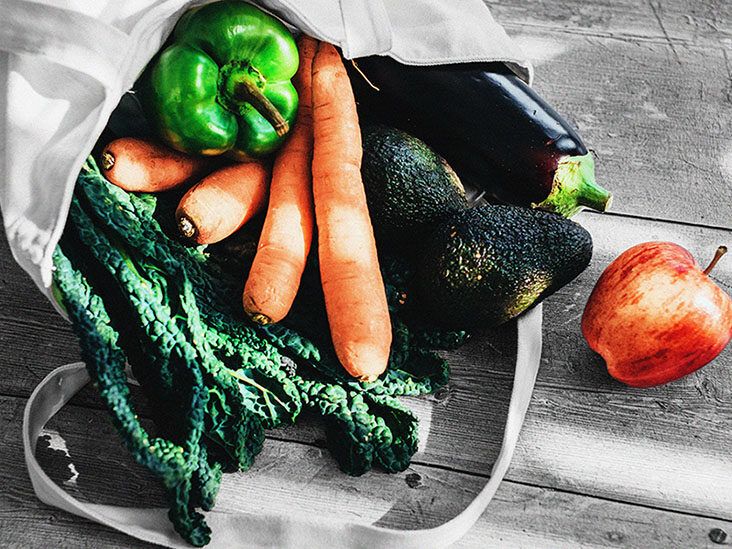
Understanding the Relationship between Glipizide and Diet
Diet plays a crucial role in managing blood sugar levels when taking glipizide. The foods we eat directly impact our blood sugar levels, so it is important to make healthy choices to prevent spikes or drops in blood sugar. When taking glipizide, following a balanced diet that includes a variety of nutrient-rich foods is recommended.
One key aspect of managing blood sugar levels with glipizide is controlling carbohydrate intake. Carbohydrates are broken down into glucose during digestion, which can cause blood sugar levels to rise. Choosing carbohydrates that are high in fiber and have a low glycemic index is important, as these are digested more slowly and have less impact on blood sugar levels.
The Importance of Monitoring Blood Sugar Levels when Taking Glipizide
Monitoring blood sugar levels regularly is essential when taking glipizide to ensure the medication works effectively. By checking your blood sugar levels at different times throughout the day, you can see how your body responds to the drug and make any necessary adjustments to your diet or medication regimen.
It is recommended to check your blood sugar levels before meals and one to two hours after eating to see how your body is processing glucose. This information can help you make informed diet and medication dosage decisions. Additionally, if you notice any significant changes in your blood sugar levels, it is important to consult with your healthcare provider to determine the best course of action.
Foods to Avoid When Taking Glipizide for Better Blood Sugar Control
Certain foods should be avoided or limited when taking glipizide to prevent blood sugar spikes. These include foods high in refined carbohydrates and added sugars, which can cause a rapid increase in blood sugar levels.
Some foods to avoid or limit include sugary desserts, sodas, fruit juices, white bread, white rice, and processed snacks. Instead, it is recommended to choose whole grains, lean proteins, and plenty of fruits and vegetables. These foods are lower in carbohydrates and higher in fiber, which can help regulate blood sugar levels.
The Role of Carbohydrates in Blood Sugar Management with Glipizide
Carbohydrates play a significant role in blood sugar management when taking glipizide. As mentioned earlier, carbohydrates are broken down into glucose during digestion, which can cause blood sugar levels to rise. Therefore, it is important to choose carbohydrates wisely and monitor portion sizes.
Complex carbohydrates, such as whole grains, legumes, and vegetables, are digested more slowly and have a smaller impact on blood sugar levels than simple carbohydrates like white bread or sugary snacks. It is recommended to focus on consuming complex carbohydrates and pairing them with protein and healthy fats to help slow digestion and prevent blood sugar spikes.
Tips for Choosing Low Glycemic Index Foods to Complement Glipizide
Choosing low glycemic index (GI) foods can be beneficial when taking glipizide for better blood sugar control. The glycemic index is a scale that ranks carbohydrates based on how quickly they raise blood sugar levels. Foods with a low GI are digested more slowly and have a smaller impact on blood sugar levels.
Some low-GI foods include whole grains, legumes, non-starchy vegetables, and most fruits. It is recommended to incorporate these foods into your diet and pair them with lean proteins and healthy fats for a well-balanced meal. By choosing low-GI foods, you can help prevent blood sugar spikes and maintain more stable blood sugar levels throughout the day.
The Impact of Sugary Drinks on Blood Sugar Levels with Glipizide
Sugary drinks like sodas, fruit juices, and sweetened teas can significantly impact blood sugar levels when taking glipizide. These beverages are typically high in added sugars and have little nutritional value.
When consumed, sugary drinks can cause a rapid increase in blood sugar levels, which can be difficult to manage when taking glipizide. It is recommended to avoid or limit the consumption of sugary drinks and opt for water, unsweetened tea, or other low-calorie beverages instead.
The Risks of Alcohol Consumption when Taking Glipizide
Alcohol consumption can pose risks for individuals taking glipizide. Alcohol can interfere with the liver’s ability to regulate blood sugar levels and can cause hypoglycemia (low blood sugar) in some individuals.
It is important to monitor your blood sugar levels closely if you choose to consume alcohol while taking glipizide. It is also recommended to drink alcohol in moderation and to do so with food to help slow down the absorption of alcohol into the bloodstream. It is always best to consult with your healthcare provider before consuming alcohol while taking glipizide to ensure it is safe for you.
The Benefits of Fiber-Rich Foods in Managing Blood Sugar with Glipizide
Fiber-rich foods can be incredibly beneficial in managing blood sugar levels when taking glipizide. Fiber is a carbohydrate not digested by the body, so it does not raise blood sugar levels. Instead, it helps slow down the digestion process and can help regulate blood sugar levels.
Whole grains, legumes, fruits, vegetables, and nuts are some examples of fiber-rich foods. Incorporating these foods into your diet can help prevent blood sugar spikes and maintain more stable blood sugar levels throughout the day.
Balancing Medication and Diet for Optimal Blood Sugar Control with Glipizide
In conclusion, glipizide can effectively manage blood sugar levels for individuals with type 2 diabetes. However, it is important to remember that medication alone cannot control blood sugar levels. A balanced diet that includes nutrient-rich foods and careful monitoring of blood sugar levels are essential for optimal blood sugar control.
By avoiding or limiting foods that can cause blood sugar spikes, choosing low GI foods, and incorporating fiber-rich foods into your diet, you can help regulate blood sugar levels and support the effectiveness of glipizide. It is also important to consult your healthcare provider for personalized guidance and to ensure that glipizide is the right medication. With a combination of drugs and a healthy lifestyle, you can successfully manage your blood sugar levels and live a fulfilling life with diabetes.