

Wooden gun stocks have long been a hallmark of craftsmanship and tradition in firearms. Their aesthetic appeal and functional benefits make them a preferred choice for many gun enthusiasts. Wood provides a warm, classic look and offers a degree of shock absorption and stability that synthetic materials often cannot match.
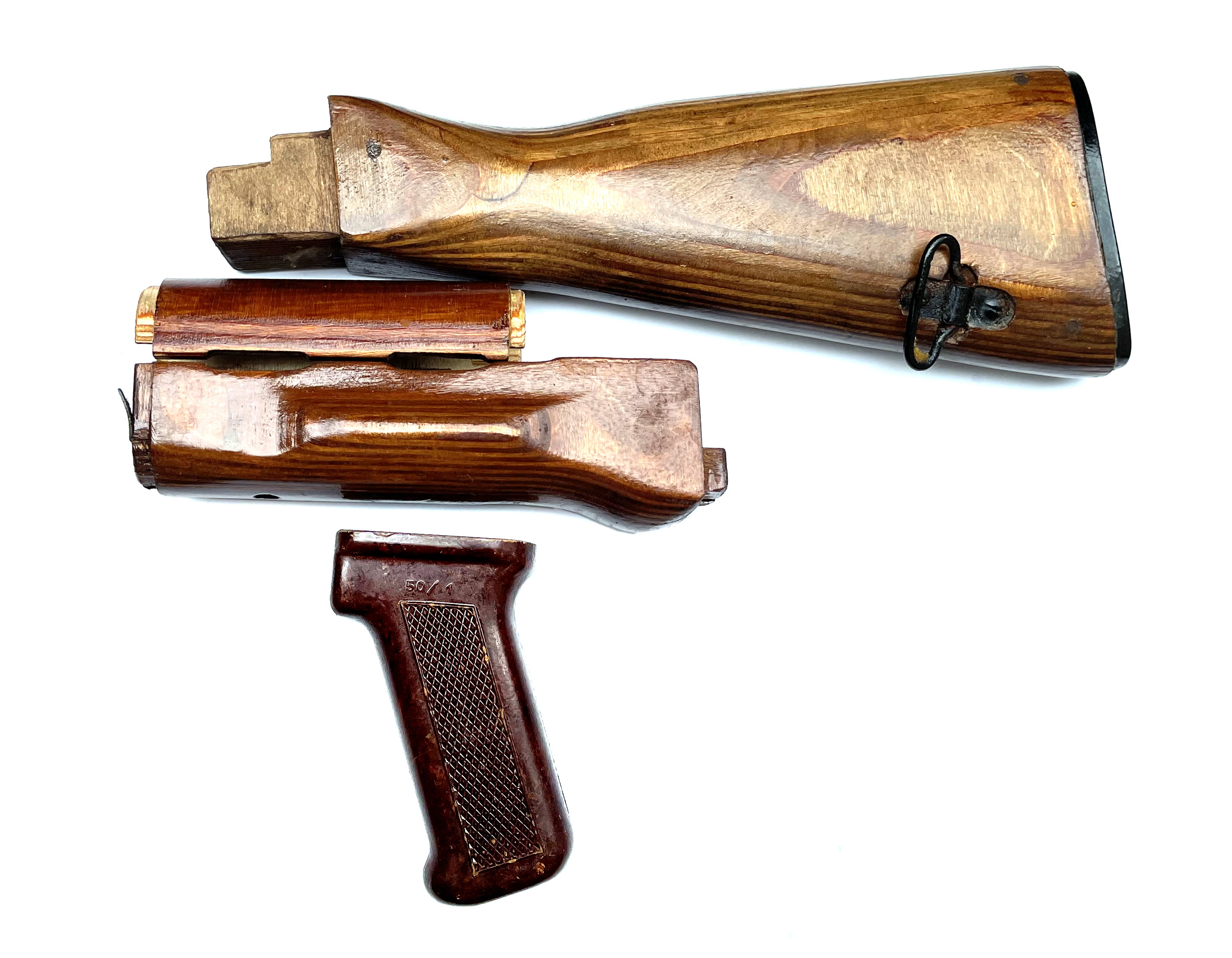
The choice of wood species, such as walnut, maple, or birch, can significantly influence the overall performance and appearance of the firearm. Each type of wood brings unique characteristics, from grain patterns to density, which can affect how the gun feels in hand and performs during use. Moreover, the craftsmanship of creating wooden gun stock is an art form.
Skilled artisans meticulously shape and finish each piece, ensuring it fits seamlessly with the firearm’s action and barrel. This attention to detail enhances the gun’s functionality and contributes to its value as a collectible item. As firearms evolve with modern technology, the timeless appeal of wood gun stocks remains steadfast, attracting both traditionalists and new enthusiasts alike.
Understanding how to care for and maintain these wooden stocks is essential for preserving their beauty and functionality.
Key Takeaways
- Wood gun stocks are an important part of a firearm and require regular maintenance to keep them in good condition.
- Regularly maintaining wood gun stocks is important to prevent moisture, dirt, and wear and tear damage.
- Choosing the right furniture polish is crucial for maintaining and revitalizing wood gun stocks.
- Proper preparation of the gun stock, including cleaning and sanding, is essential before applying furniture polish.
- Applying furniture polish and buffing the gun stock will result in a smooth and revitalized finish, enhancing the firearm’s overall appearance.
Understanding the Importance of Maintenance
Maintaining a wood gun stock is crucial for several reasons, primarily to ensure longevity and performance. Wood is a natural material susceptible to environmental factors such as moisture, temperature fluctuations, and UV exposure. Without proper care, wood can warp, crack, or become discolored, detracting from its visual appeal and affecting the firearm’s accuracy and handling.
Regular maintenance helps to mitigate these risks by creating a protective barrier against the elements and preserving the integrity of the wood. Additionally, maintenance is vital for protecting the historical and monetary value of firearms with wooden stocks. Collectors often seek out well-maintained pieces, as they are more likely to retain their value over time.
A neglected stock can lead to significant depreciation, making owners need to invest time and effort into regular upkeep. This includes cleaning, polishing, and applying protective treatments that enhance the wood’s natural beauty while safeguarding it against wear and tear. By understanding the importance of maintenance, gun owners can ensure that their wooden stocks remain in optimal condition for years.
Choosing the Right Furniture Polish
Selecting the appropriate furniture polish is critical in maintaining a wood gun stock. Not all polishes are created equal; some may contain harsh chemicals or abrasives that can damage the wood’s finish or alter its appearance. It is essential to choose a polish specifically designed for use on fine wood or firearms.
Look for products free from silicone and waxes, as these can build up over time and create an unsightly residue. Instead, opt for natural oils or specialized gun stock finishes that nourish the wood while providing a protective layer. One popular choice among gun enthusiasts is linseed oil, which has been used for centuries to treat wooden surfaces.
It penetrates deeply into the wood fibers, enhancing their natural grain while providing moisture resistance. Another excellent option is tung oil, known for its durability and water-repellent properties. Both oils can be applied easily and offer a rich finish that highlights the beauty of the wood.
When selecting a polish, consider its ease of application, drying time, and the desired finish to ensure it aligns with your maintenance goals.
Preparing the Gun Stock for Treatment
| Step | Description | Time Required |
|---|---|---|
| 1 | Remove existing finish | 1-2 hours |
| 2 | Sand the stock | 2-3 hours |
| 3 | Apply wood conditioner | 30 minutes |
| 4 | Fill in any imperfections | 1-2 hours |
Proper preparation is essential to achieving the best results before applying any polish or treatment to a wood gun stock. Start by thoroughly cleaning the stock to remove any dirt, grime, or old polish that may have accumulated over time. Use a soft cloth or microfiber towel dampened with a mild soap solution or a dedicated wood cleaner.
Gently wipe down the entire surface, paying special attention to crevices and areas where dirt accumulates. Avoid excessive moisture, which can seep into the wood and cause damage. Once the stock is clean, inspect it for any signs of damage or wear.
Look for scratches, dents, or areas where the finish may be wearing thin. If you find any imperfections, consider using fine-grit sandpaper to smooth out rough spots or scratches carefully. Sanding should be done lightly and toward the wood grain to avoid further damage.
After sanding, wipe down the stock again with a clean cloth to remove any dust particles before applying polish. This preparation ensures that the polish adheres properly and provides an even finish.
Applying the Furniture Polish
With the gun stock clean and prepared, it’s time to apply the chosen furniture polish. Begin by shaking or stirring the polish according to the manufacturer’s instructions to ensure an even consistency. Using a soft cloth or applicator pad, apply a small polish to one stock section at a time.
Working in small areas is advisable to allow for better control and coverage. Apply the polish using circular motions or along the wood grain to ensure even distribution. As you apply the polish, please consider how it interacts with the wood.
You may notice that some areas absorb more product than others; this is normal and indicates that those sections may need additional treatment. As recommended by the product instructions, allow the polish to penetrate into the wood for several minutes. This step is crucial as it allows the oils to nourish and protect the wood effectively.
After allowing sufficient time for absorption, you can proceed to buffing for an even more polished appearance.
Buffing and Polishing for a Smooth Finish
Buffing is essential in achieving a smooth and glossy finish on your wood gun stock after applying furniture polish. Once you have allowed adequate time for the polish to penetrate, take a clean, dry cloth or buffing pad and gently buff the stock surface in circular motions or along the grain direction. This process helps remove any excess polish while enhancing the wood’s sheen.
The key to effective buffing lies in using light pressure; excessive force can lead to uneven surfaces or damage to the finish. As you buff, the wood begins to shine more brightly, revealing its natural beauty and grain patterns. For best results, consider using a microfiber cloth specifically designed for polishing; these materials are less likely to leave lint behind than traditional cotton cloths.
If you desire an even higher gloss finish, you may apply additional coats of polish after buffing each layer. Allow each coat to dry thoroughly before applying subsequent layers; this will build up a protective finish that looks stunning and enhances durability against scratches and moisture.
Maintaining the Revitalized Gun Stock
Once you have successfully polished your wood gun stock, ongoing maintenance becomes paramount in preserving its revitalized appearance. Regular cleaning should be part of your routine; use a soft cloth to wipe down the stock after each use to remove fingerprints, sweat, or moisture that may accumulate during handling. This simple practice can prevent buildup that could lead to deterioration over time.
In addition to regular cleaning, consider reapplying furniture polish periodically—typically every few months or as needed based on usage conditions. The frequency may vary depending on environmental factors such as humidity levels or exposure to sunlight. When reapplying polish, follow similar steps: clean the stock first, then apply polish in small sections while allowing it to absorb before buffing.
It’s also wise to store your firearm properly when not in use; keeping it in a climate-controlled environment can help mitigate issues related to humidity and temperature fluctuations that could adversely affect wooden stocks. Protective cases or sleeves can shield your firearm from dust and potential scratches during storage.
Enjoying the Results
The satisfaction derived from maintaining a wood gun stock goes beyond mere aesthetics; it reflects a commitment to preserving craftsmanship and tradition within firearms culture. Investing time in proper care—choosing suitable polishes, preparing surfaces meticulously, and applying treatments thoughtfully—enhances your firearm’s appearance and contributes to its longevity and performance. As you admire your revitalized gun stock after completing these maintenance steps, take pride in knowing that you have actively preserved its beauty and functionality for future enthusiasts.
The rich textures and colors of well-maintained wood evoke a sense of history and craftsmanship that synthetic materials cannot replicate. Whether using your firearm for sport shooting or hunting, knowing that your wooden stock is in prime condition adds an extra layer of enjoyment to every experience on the range or in the field.
FAQs
What is furniture polish for wood gun stock?
Furniture polish for wood gun stock is a specially formulated product designed to clean, protect, and enhance the appearance of wooden gun stocks. It helps remove dirt, dust, and fingerprints while providing a protective layer to prevent damage and maintain the wood’s natural beauty.
How is furniture polish for wood gun stock different from regular furniture polish?
Furniture polish for wood gun stock is specifically designed for use on gun stocks, which are often exposed to unique conditions such as moisture, oils, and handling. It is formulated to provide a protective barrier against these elements while enhancing the wood’s appearance. Regular furniture polish may not offer the same level of protection and could potentially harm the finish of a gun stock.
What are the benefits of using furniture polish for wood gun stock?
Using furniture polish for wood gun stock can help maintain the wood’s integrity and appearance. It can also provide a protective layer that helps prevent scratches, moisture damage, and other forms of wear and tear. Additionally, it can enhance the wood’s natural beauty, bringing out its grain and color.
How should furniture polish for wood gun stock be applied?
It is important to follow the manufacturer’s instructions when applying furniture polish to wood gun stock. Typically, the product is sprayed or applied with a soft cloth and then buffed to a shine. Before applying the polish, it is important to ensure that the gun stock is clean and free of debris.
Are there any precautions when using furniture polish for wood gun stock?
It is important to use furniture polish for wood gun stock in a well-ventilated area and to avoid inhaling the fumes. Additionally, it is important to keep the product away from open flames or heat sources, as it may be flammable. It is also advisable to test the product on a small, inconspicuous area of the gun stock before applying it to the entire surface.