

Before making an investment selection over mobile apps, organizations should determine between native apps, hybrid apps, and internet apps. Here, I propose to outline and describe the variations between diverse app classes that are no longer most effective for commercial enterprise owners and app developers!
Which app is high-quality, and what are the predominant points of distinction between the various 3?
Native Apps
They are set up in the device from a utility save (along with the App Store and Google Play) and displayed on the tool as icons. They remain with the agency and utilize its capabilities, including the camera, contact listing, accelerometer, GPS, etc.
They are designed and coded to cater to at least one platform (for a particular device). For instance, iPhone apps are coded in Objective-C, and Android apps are coded in Java. Coding apps help users have a responsive user experience, and apps can combine general running system gestures or new app-described gestures.
Native permit push notifications to be used by the commercial enterprise for actual-time records for the users. They preserve functioning offline and may use the device’s alert machine. The characteristic of the layout and requirements of the platform (either Android or iOS) leads to purchaser pride.
They are platform-specific (an iOS app will not paint in an Android platform) due to the distinction in coding language. A business that seeks to broaden an operational app in each forum would be expensive as it’d require developing one-of-a-kind variations(for each platform). Depending on the price range, an investment decision may be made to expand an app for a single or multi-platform alternative. Examples are Angry Birds, Shazam, and many others.
Mobile Web App
They are cell-optimized internet pages that are not apps but websites. They resemble a native app in appearance and experience. They are perfect when the goal is to make statistics or functions over a cell smartphone, and the growing local app isn’t always a feasible alternative financially.
Coded in HTML 5, they run on a browser, and customers get entry to them like regular web pages. They offer installing them on the home screen as a bookmark. Many websites use HTML five to turn their net pages into web apps for users that could appear as appealing as a native app. An example is the cellular-optimized internet pages of information websites.
The web app has limited capability and normally calls for a web connection. Users can, without problems, forget them, except they run as a regular reminder on their home screen. They do not function in any app market. With large numbers of visitors each day the application stores, they miss out on the potential to be observed compared to the local or hybrid app.
Hybrid Apps
Hybrid apps are an aggregate of the native and net apps and are downloaded from an App shop. Faster and less expensive to develop than the local, they’re better than a browser-based total web app. They have evolved web technologies that can be like-minded across multiple structures and are coded in HTML five, CSS, and JavaScript. However, for greater personal reveal, now and again, the precise native code is also used. Tools like PhoneGap and Sencha Touch allow move-platform designing and coding using HTML.
Organizations move for hybrid apps to make their presence within the software shop without making widespread cash or effort in developing a separate utility. However, if the corporation wants to cross too near a native design, the fee and coding effort would push upward, making the improvement difference between a native and hybrid app insignificant. Examples of hybrid apps include Facebook, Linked In, Banana Republic, etc.
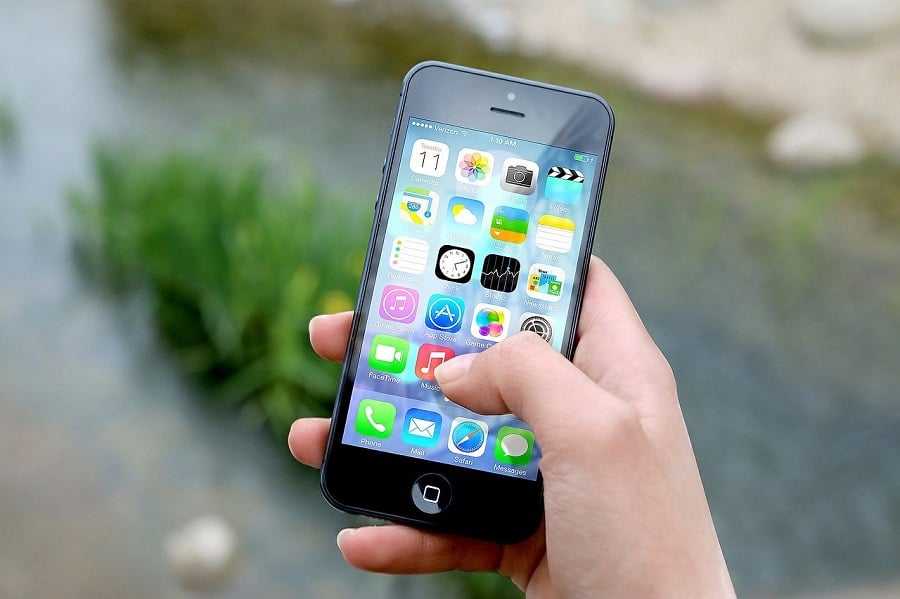
The choice to pick a category of the app entirely depends on the client’s want – the first-class go back to his enterprise based totally on personal necessities. If the primary requirement of the company is to offer content for its readers, a responsive web application might be better. On the other hand, the local app could be high quality for a challenging finishing touch.
A user can decide upon a class relying on the utility’s compatibility with tool features, want for offline/online project finishing touch, velocity elements, ease of renovation, dependability on platforms, content material limitations, ease of installation, and charges concerned.
Maintaining an internet app is much simpler for the consumer and the developer as it entails maintaining net pages. At the same time, native is complicated as developers must code equal facts for multiple versions across the special platform.
Application shops pose numerous boundaries on the content and design of the application with variability in the subscription price. On the contrary, web apps are free of content censure and less taxing in phrases of value and time. Hybrid and net apps are relatively less expensive to broaden than native.
If the patron’s precedence is superior, consumers are well suited for a specific platform with loads of apps; it’s miles exceptional to increase a native app. At the same time, even the net and the hybrid app can provide a terrific person revel in with version in photos and visuals.
The 5 Things You Should Do For App Development Success
With over one million apps in the App Store, transitioning your app from concept to improvement might also be considered one of your most demanding situations. That is until you heed the following recommendation.
When I hopped onto Apple’s App Store in the historic days of 2008 (which coincidentally became the year of the shop’s initial launch), I felt like a starving man or woman in front of an all-you-can-eat buffet.
Suddenly, here turned into aan arrayof apps – newspapers, magazines, video games, enterprise, sports, health and health, travel, and children – which I couldn’t appear to download fast sufficient. But boy, permit me to let you know how times have modified!
According to the present-day facts from AppleInsider, there are over 1,000,000 apps to be had inside the App Store, 500,000 of which have been specially designed for the iPad. When the store turned into, to begin with, launched, there were only 900 apps available! That’s a boom of more than 900 thousand apps throughout the past 46 months! And while that is pretty fantastic all on its own, there’s more!
The App Store is predicted to develop every 25,000 to 30,000 apps (on average) in step with the month. With thousands of extra app ideas being dreamed up using average humans from all walks of lifestyles – people similar to you and me – and scribbled at the back of a paper serviette every day worldwide.
Regardless of how well the app is out, transitioning it from concept to improvement is one of the greatest demanding situations any beginner developer will inevitably face. Especially for those who do not have the proper understanding of technical flair, which is why studying the following information – step-by-step – guarantees to be worth you time at the same time. All proper, right here we move!!!
#1 – Determining What You Want to Achieve
When embarking on the interesting journey of having your app advanced, the first thing you should decide – whether you’re a beginner or a professional – is what you need to attain. Having nice notion-out goals at the outset of your undertaking is one of the fine indicators for confirming whether or not the app’s improvement manner is heading in the best path.
#2 – Outline Your App’s Purpose (and Fee)
In the latest app push globally, almost all users count on a developed app incorporating many benefits and offering them a terrific person to revel in. Would you want to be in on a bit sof a secret? The keys to ensuring your app’s achievement are simplicity, usability, and reliability.
At this point, you could also want to decide what rate to set your app at and whether or not you’ll no longer provide in-app purchases. According to Distimo’s 2013 Year in Review (December 17, 2013), 77% of the App Store’s sales come from in-app purchases, while closing eleven from paid apps.
#3 – Appropriately Naming Your App
Never underestimate the significance of ensuring your app’s name properly reflects the provider it provides, irrespective of how catchy the opportunity is. While, as it should be, naming your app can occasionally be a chore, it is one that, if carried out efficiently, can manage to pay for your app’s improved income and enhance the services or products emblem you cause on construction. As a well-known rule of thumb, you ought to select an app that is professional, makes a feel, and indicates what your app should do.
#4 – Locating Quality Support
Locating excellent support can make the difference between getting your app concept advanced and placing it inside the crowd. Unless you’re seasoned at growing apps (or even then), you should lease a professional cell app development corporation to transition your app from concept to improvement.
In January of this year, apps accounted for forty-seven% % of a person’s general internet enjoyment, while 8% of users were visible accessing the internet through their cellular tool’s browser. In line with the equal supply indexed above, these statistics bill for fifty-five.
With this type of presence, it’s more essential than ever to lease an expert mobile app development organization to create unbroken software that can be easily picked up using the App Store.
An expert app developer could meet your unique time limits, finish your cellular app on time, and even ultimate inside your stipulated price range. They might additionally be able to skillfully show off your apps’ first-class functions while eliminating any needless frills, which may extend your challenge’s cut-off date and cost you extra money.
#5 – Test, Test, and Retest
Whether your app assists customers in tracking their fitness stage, connecting with buddies, locating cheap gas,or sending emails, it’s commonly an awesome idea that you check, check, and retest the following four areas:
• Functionality – This includes checking out your app’s bureaucracy, document manipulation, seek engine, and all media additives to ensure they are running seamlessly collectively.