

Do you recognize that if you look at the specifications page for Mi Max on the Xiaomi India website, you may not see what Android model it’s miles walking? Do you recognize the motive? Xiaomi desires these statistics hidden; it would not want to inform customers what Android version is there at the Mi Max because the telephone runs an almost 2-year-antique version of Android. Similarly, the upcoming Mi Max 2 will be identical.
It changed into years in the past, on May 28, 2015, when Google released the Android Marshmallow. This turned into the beta model of the operating machines. Since then, the enterprise released the final version of Marshmallow on September 29, 2015, Android Nougat in August 2016, and then, some months ago, Android O to Android Eight. Yet, on July 18, Xiaomi will release its modern-day smartphone, the Mi Max 2, in India with Android Marshmallow, an operating system that even financial phone-makers are not using.
It’s 2017. However, Xiaomi continues to fool users with phones that run 2-12 months-old Android.
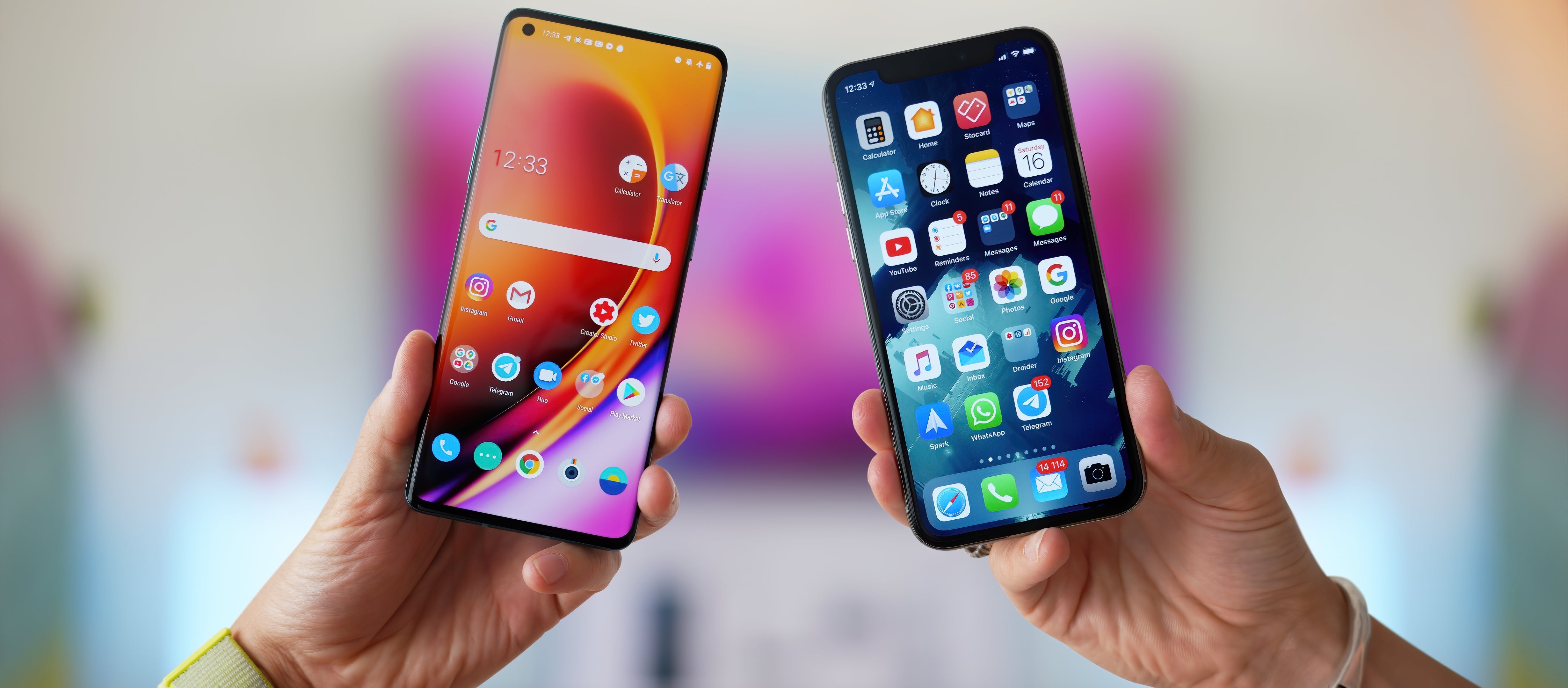
It’s no longer clear why Xiaomi loves the older software variations in its phones. Maybe it has something to do with the truth that Android is officially banned in China, the home U. S. Of the organization. In China, it does not count what model of Android Xiais uses under its MIUI consumer interface because customers do not care. Maybe in a bid to keep the R&D value down or avoid the hassles important, however, despite importing users with the modern version of Android, Xiaomi makes no efforts to replace its phones with the modern-day Android in India.
The argument that Xiaomi makes for no longer imparting the latest Android updates or not launching phones with trendy Android is that it does not count numbers. The exact motives aren’t clear. But what is clear is that anyone who buys a Xiaomi smartphone not only finally ends up with a tool that runs an older model of Android but will also probably by no means ever get an update to the ultra-modern Android.
It might be the failure of Google that it can’t pressure telephone makers like Xiaomi to offer consumers contemporary Android; however, more than that, it has to do with how Xiaomi has created and constructed the complete MIUI, which it calls a custom-running device. First, to ensure that clients don’t comprehend what they may be lacking by not getting access to the state-of-the-art version of Android, Xiaomi in MIUI has created software that appears and feels nothing like Android, even though it is based totally on Android. Most Android features, consisting of the person interface, are replaced through Xiaomi’s take on what users allegedly get.
This is why some telephones running MIUI 8 read high-stop phones are built on the pinnacle of Android Nougat, the Android model released in the final year. Simultaneously, a few phones study most of the budget phones Xiaomi sells in India, preserving the use of 2-12 months-antique Marshmallow even though they also run the MIUI 8. The MIUI in both styles of telephones seems comparable.
This allows Xiaomi to assert that its telephones run a software program that has a consistent appearance and sense throughout all its gadgets. But then, so are Motorola’s phones, and they use the state-of-the-art Android model. The Moto telephones don’t resort to the shenanigans that Xiaomi phones hire. The argument that Xiaomi makes for not presenting brand-new Android updates or no longer launching telephones with ultra-modern Android is that it doesn’t count. According to Xiaomi, based on a few remarks by Xiaomi product manager Jai Mani in a Reddit thread, what are the security updates and people updates the Chinese enterprise gives its users?
However, in the same put up where he defended Xiaomi’s coverage of now not updating telephones to the cutting-edge Android model, he also stated that many “core users (myself blanketed) want the ultra-modern and greatest.” To cater to these purchasers, Xiaomi attempts to ” get out the more modern Android versions into beta song as soon as feasible”. In the next few weeks, while Xiaomi Mi Max 2 involves the marketplace, many who purchase it will likely get a phone that runs a two-year vintage Android. Xiaomi can also position lipstick on a pig, but it will still be a pig.
But there is also the familiar idea within Xiaomi that what is fine read trendy Android for the center and knowledgeable customers isn’t right for everyday customers; that is nonsensical. How is something cutting-edge and top enough for customers who purchase Moto phones and Pixel phones, in addition to the core Xiaomi users, not right for different purchasers?
From Xiaomi’s angle, a more practical argument may be that the updates aren’t well worth the attempt. Customers buy the phones because the hardware is vibrant and suitable at Xiaomi’s expense. Consumers also do not understand the advantages of modern-day Android, so why spend time and assets solving something that isn’t always affecting the enterprise?
If this is indeed the argument, maybe it takes a lot of experience from the enterprise perspective. After all, cut the fee wherever possible. But it doesn’t make feel from the purchaser’s perspective. When Xiaomi Mi Max 2 comes to the marketplace in the next few weeks, many people who buy it will likely get a two-year-old Android smartphone. Xiaomi may put lipstick on a pig, but it’ll nonetheless be a pig.
Certainly, it’s also proper that many consumers might not care about the miles Xiaomi supposes, but there’s a reason why the modern-day model of Android is essential. It isn’t always about features. It is also about malicious program fixes within the center software and safety features that officially come from Google as part of the core Android replacement.
Whether clients choose to care about today’s Android or not, they should, and whether or not they accept Xiaomi’s China-made security updates or no longer, it is something as much as them. But in my opinion, any telephone that launches with -year-vintage Android in the center of 2017, while Android O is around the corner, is infrequently worth shopping for.